Reflections in the pool at Smitham Chimney, Harptree Wood, Mendip – the last of its kind still standing.

Reflections in the pool at Smitham Chimney, Harptree Wood, Mendip – the last of its kind still standing.
November 16th 2014: spotted on a Sunday morning stroll in Harptree Combe.
Pestle Puffball (Calvatia excipuliformis)

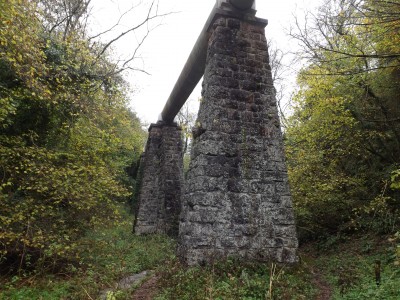
On the same walk I admired some fine early Victorian engineering, the aquaduct built c.1840.

A Sunday morning walk along the top of Cheddar Gorge at the end of summer time!

Bake Hole, Cheddar NGR ST 4662 5420

Bracket Fungi, Velvet Bottom. I would suggest Laquered Bracket Ganoderma luciderm


A view of Blackdown looking over the combe from Burrington Ham on a sunny September afternoon.
Compton Martin Ochre Mine, Mendip Hills, Somerset.
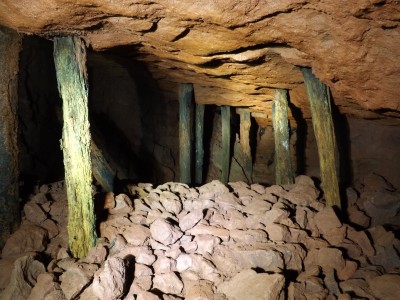
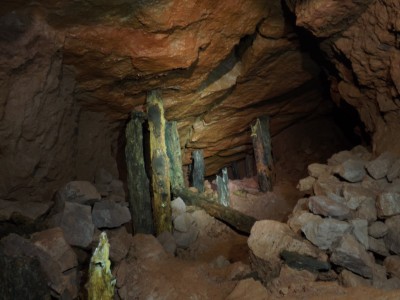
Read’s Cavern, Burrington, Mendip. 3rd August 2014. In the very dry stream entrance into the main chamber.

On a walk that started at the bottom of East Twin stopped at Read’s Cavern to practice some underground photography for a while. The walk then continued up the hill to the trig on Beacon Batch before returning to the van parked at East Twin.
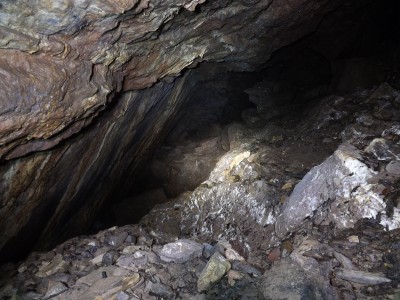

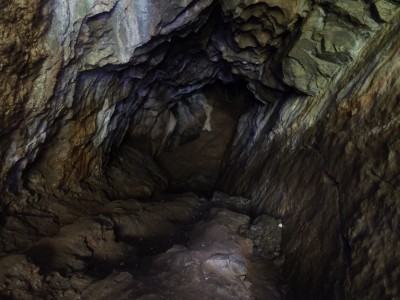
While out on a cycle tour of the Mendip AONB stopped in Burrington Combe to peer into Aveline’s Hole. This cave contained a number of human remain and, according to Jodie Lewis, is one of the most important Early Mesolithic burial sites in Europe.

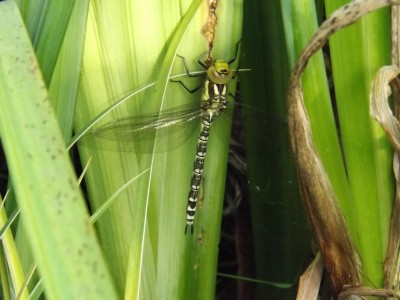
Newly emerged dragonfly (Southern Hawker) from the garden pond at Rugmoor.

Hawkmoth sunning in the garden at Rugmoor on Saturday 21st June.

NGR ST 55950/55797. Field collapse near Harptree Combe c. 1.5m diameter and c. 1.25m maximum depth. Noted 05/05/2014 and still open 15/06/2014. Presently covered by old farm machinery. No rock visible only earth.

NGR ST 5386/5256. Collapse c. 2m diameter and c.1.5m maximum depth within outer ditch of Priddy Circle [No 1]. Noted on 16/04/2014.